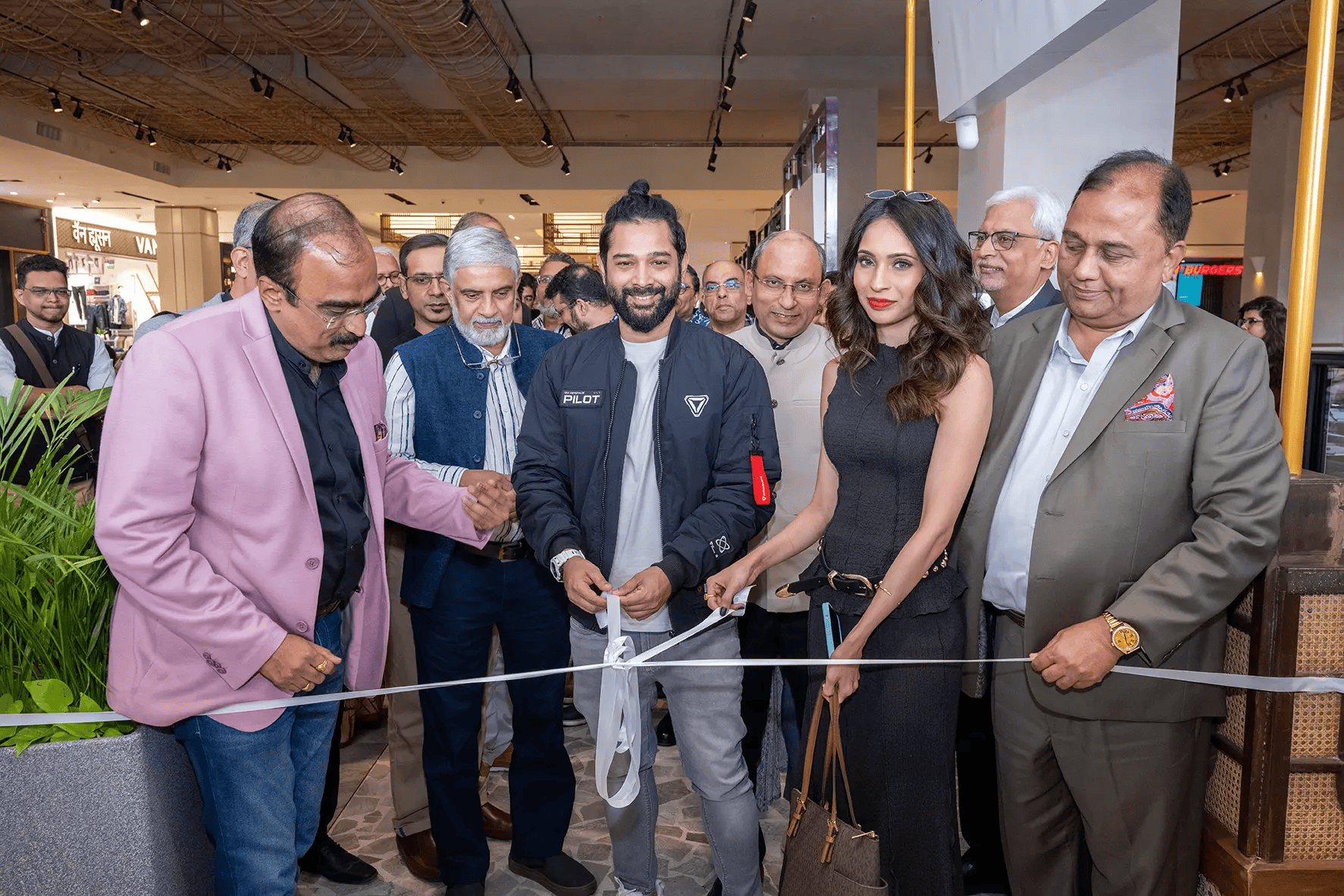
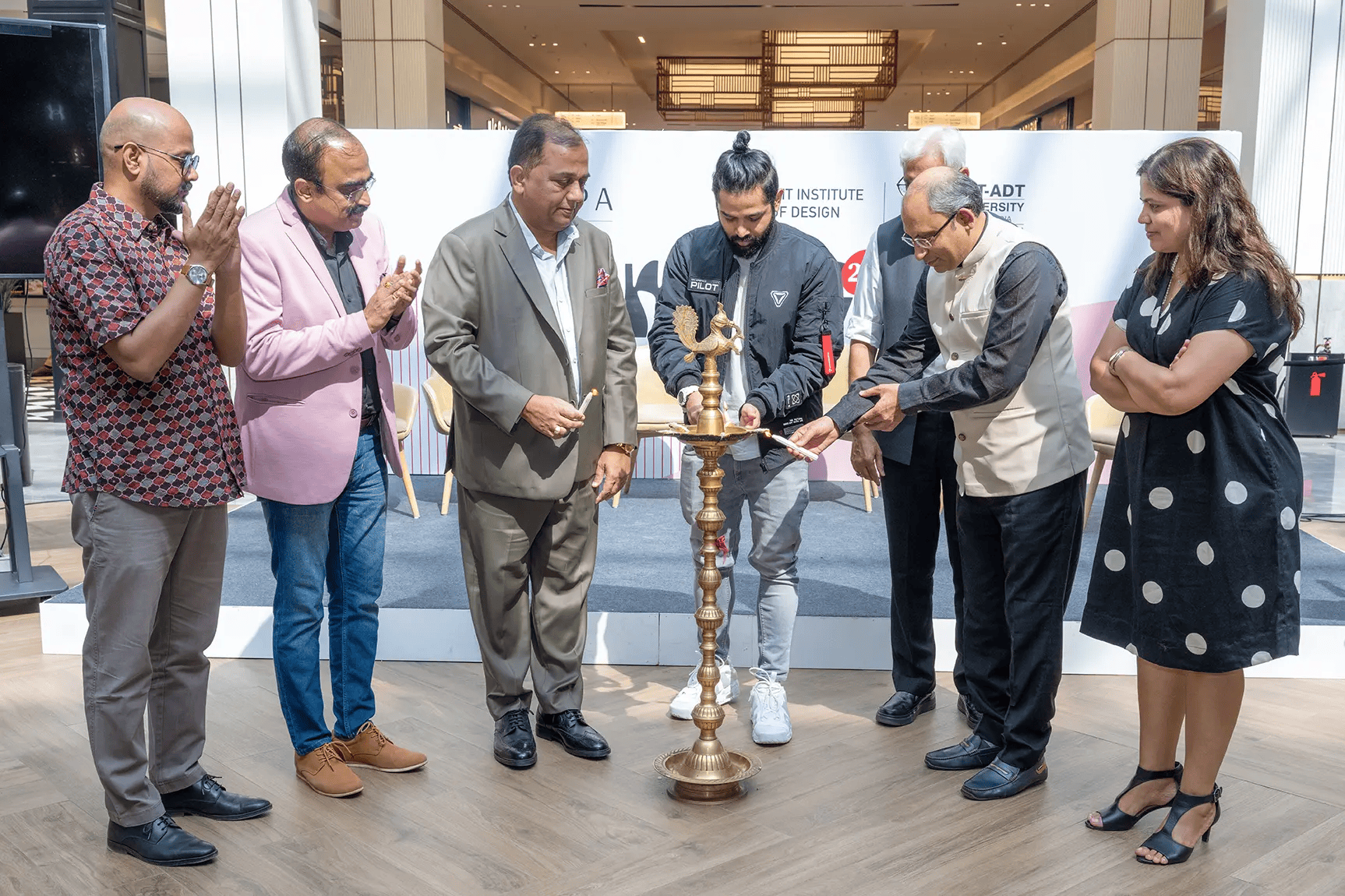
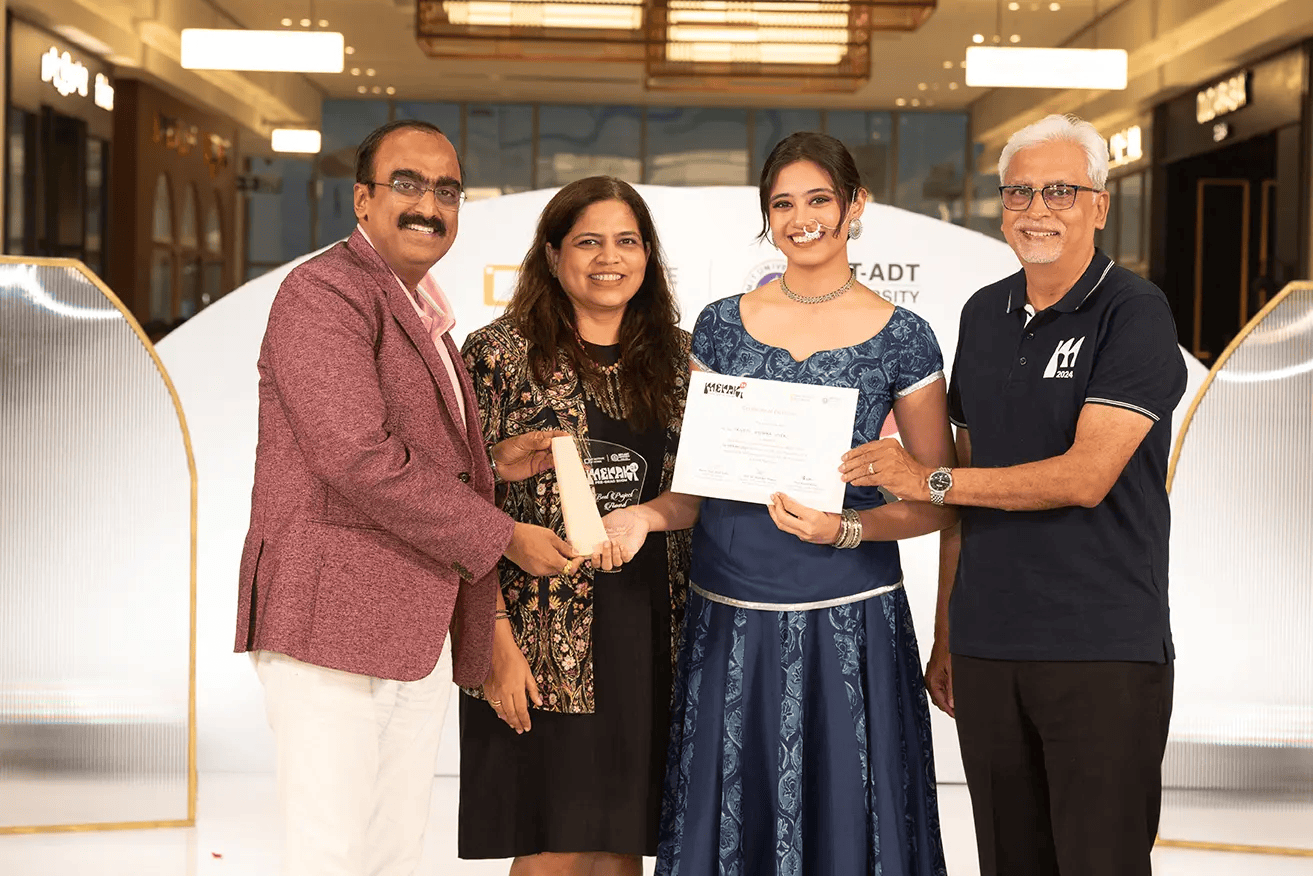
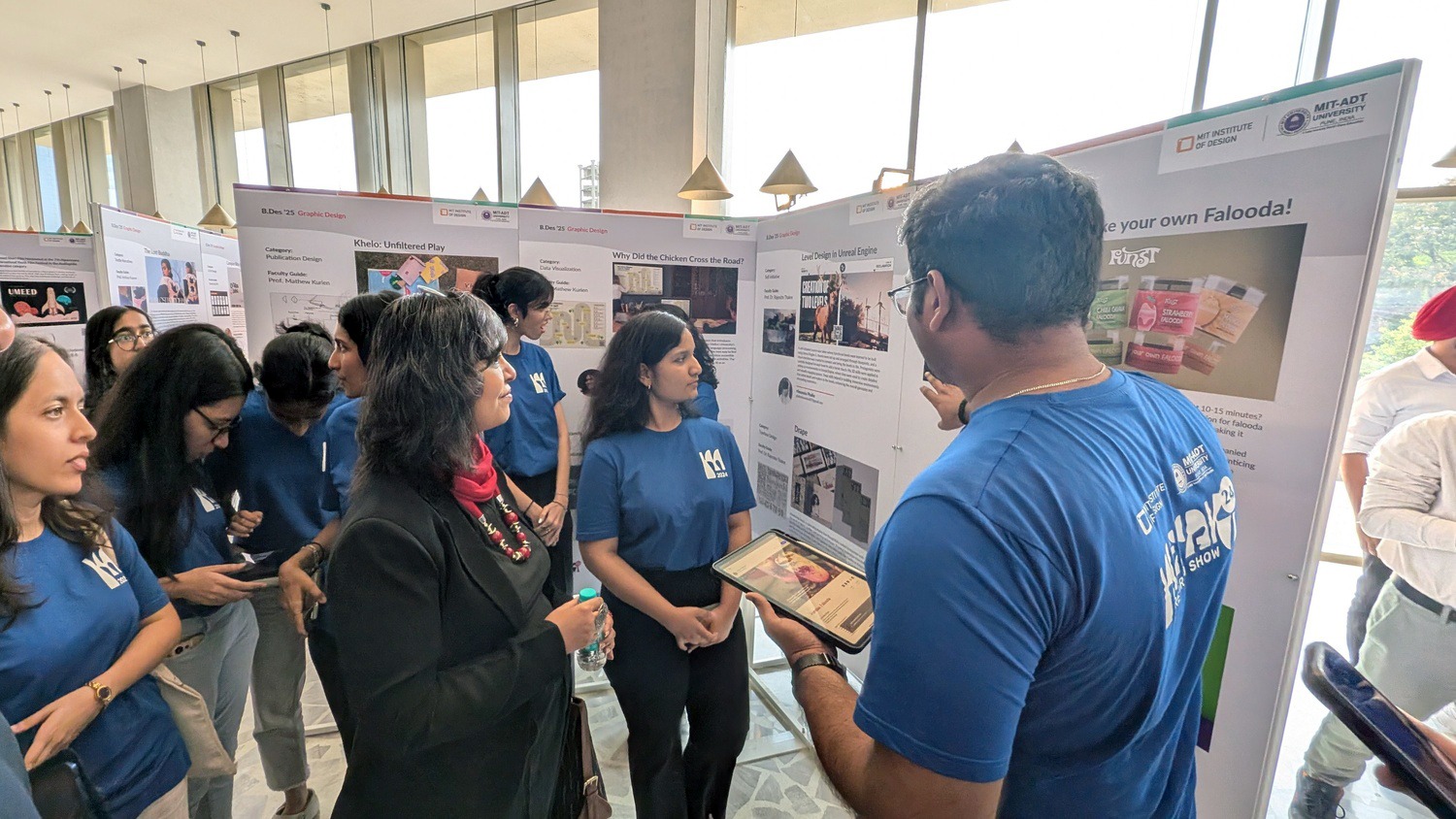
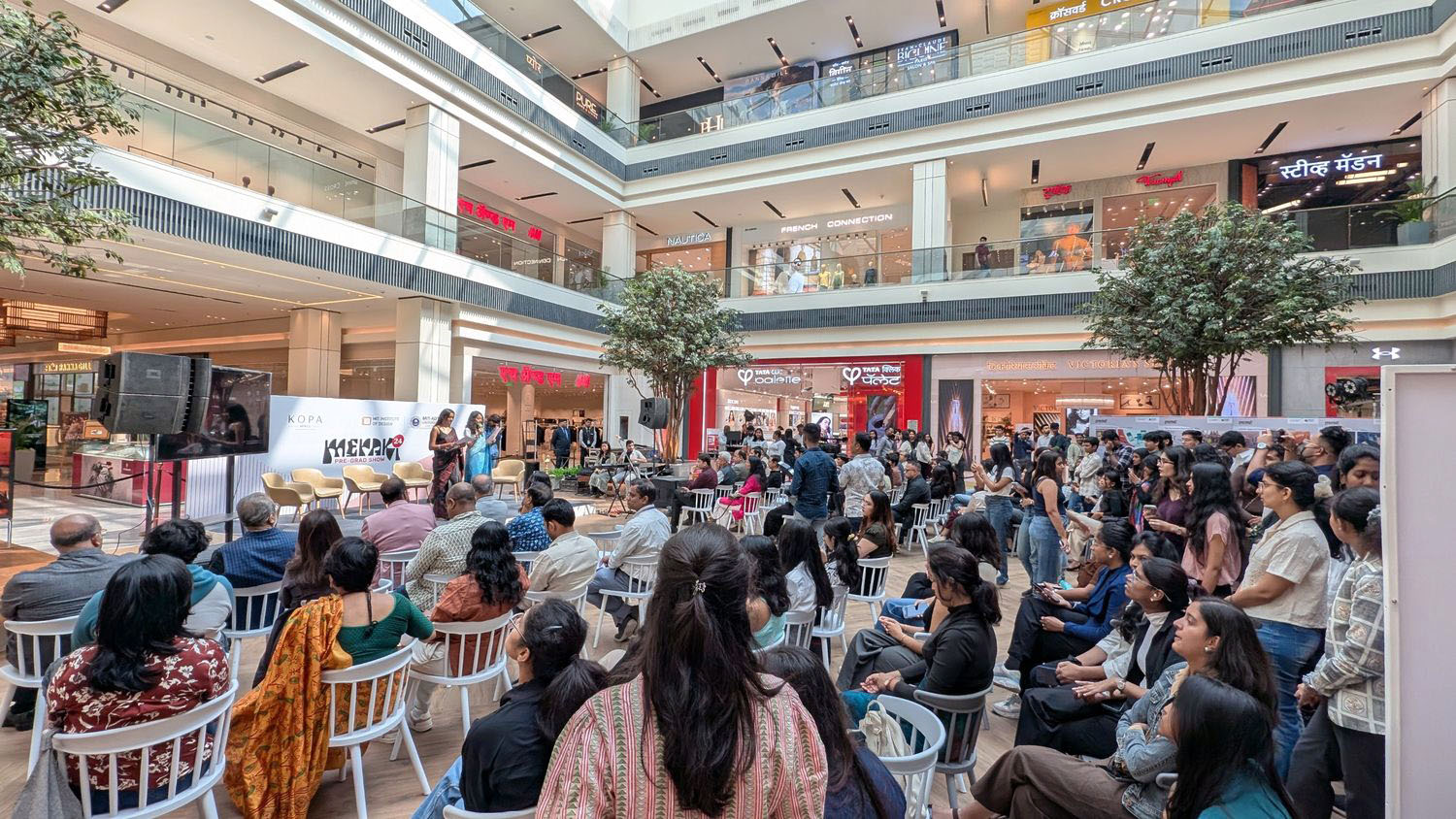
Meraki 2024 marks the 11th edition of our annual Pre-Graduation Design Showcase, celebrating the creativity, innovation, and design excellence of our final-year Bachelor’s and Master’s students. The event presents a curated collection of thoughtful, research-driven, and industry-relevant projects that reflect the students’ growth, imagination, and commitment to solving real-world challenges through design.
Showcased through immersive panel displays and a vibrant fashion show, Meraki highlights the culmination of two years of dedicated academic and creative work. The event offers students a professional platform to present their design outcomes, engage with diverse audiences, and receive meaningful critique from industry experts.
Meraki 2024 aims to strengthen the bridge between academia and industry by facilitating valuable dialogue, mentorship opportunities, and potential collaborations. This exchange not only enriches students’ learning experiences but also prepares them for their future roles as impactful design professionals.
Open to students, parents, alumni, design aspirants, faculty, industry guests, and design enthusiasts, Meraki 2024 reflects our institute’s commitment to fostering an environment of creativity, curiosity, and community engagement.
Join us as we celebrate the next generation of designers and their remarkable journeys in the evolving world of design.
In pursuance of one of our future aspirations, we at the MIT Institute of Design are now planning to add a further dimension to the programmes of design learning at our campus. The concept of Design Habitat is in fact a logical and organic extension of our stated philosophy that ensures a total generalist ambience to enable design learning to happen on learners' own volition without being 'spoon-fed'. It would evolve as an overarching concept around the functional framework of the Design Institute which remains an integral component of the Habitat.
It is into this kind of stimulating and inspirational environment that mentors from various designs related disciplines would be invited to interact with the design learners and challenge their young minds to explore newer territories that should complement and reinforce their ongoing design learning. Here are some of the disciplines from which these mentors would be selected: Biomechanics, alternative energy systems, linguistics (semiotics), performing arts, plastic arts, design anthropology, perception and cognitive psychologies and several more. The mentors would ensure that the level of interaction is such that it eventually leads to a learning that is comprehensive, sustained and focused in depth, and directly -or indirectly- design related.
Distributing the course contents in form of projects is an obvious and time tested method. Each project would be formulated so as to necessitate participation of a mentor and one or two young aspirants pursuing the same discipline as the participating mentor. The team thus formed would be led by a member of the permanent faculty of the Institute. Sometimes the project might be so designed as to need participation of mentors from more than one discipline.
The enhanced scope of activities at the Design Habitat would also mean that we reinforce in phases the present areas of learning at the Institute. To this effect, two new centers of advanced learning are being envisaged for the near future.
The first is the Faculty of Architecture. The major emphasis here would be on humane and logical application of Twenty First Century technologies, arts and sciences toward solving the problems of human habitat in India. The second is a Centre for Theatre and Body Language, Even though it might seem to have been inspired by the old Bauhaus Theatre of the 1930's, its major thrust would be on exploring the worlds of light and sound effects and ways of communication by means of the human body language.